
LED Insights
Practical engineering notes on getting the most from LED lighting.
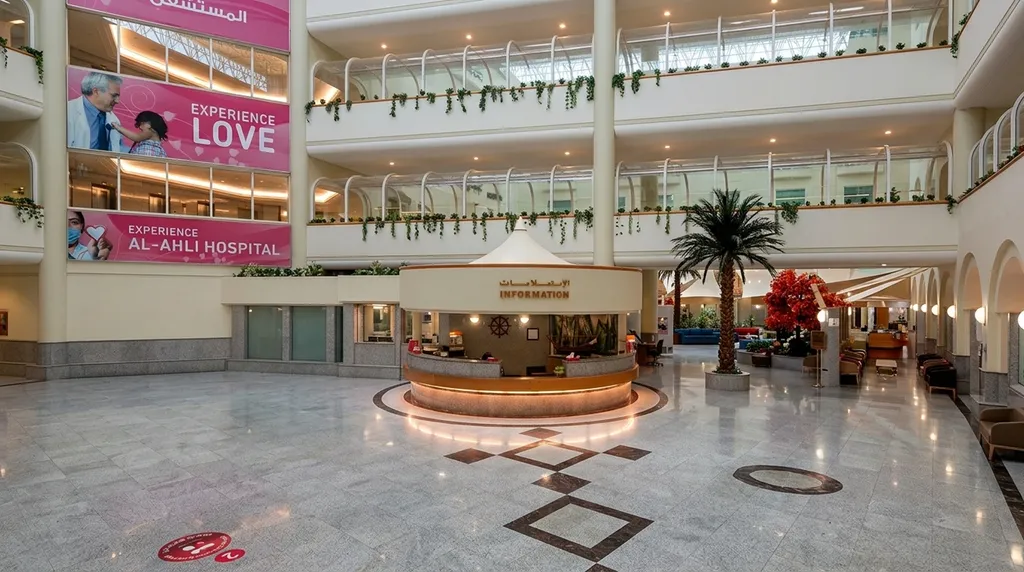
Hospital and Healthcare Lighting: LG2, Colour Rendering and Where Anti-Bacterial LED Fits
What UK healthcare lighting has to achieve — the LG2 and BS EN 12464-1 lux levels for wards, corridors and treatment rooms, colour rendering for clinical assessment, infection-control fittings, emergency provision — and where anti-bacterial LED lighting genuinely helps.
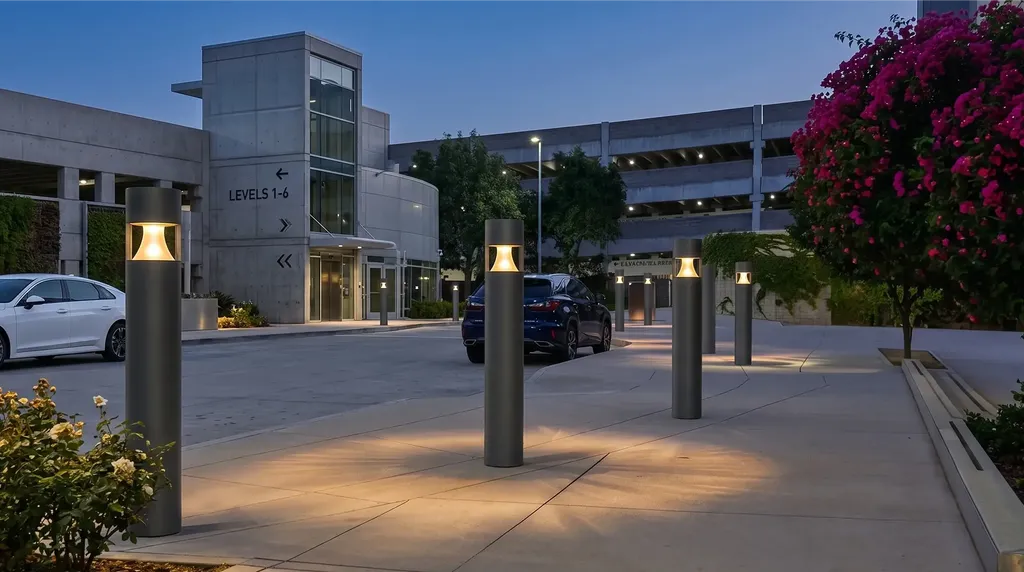
Outdoor Lighting and Light Spill: Obtrusive Light, Dark Skies and Colour Temperature
Outdoor lighting is judged by the people who did not ask for it: the neighbours, the planners and the wildlife. Getting the light where it is needed, and nowhere else, is now a specification requirement rather than a courtesy.
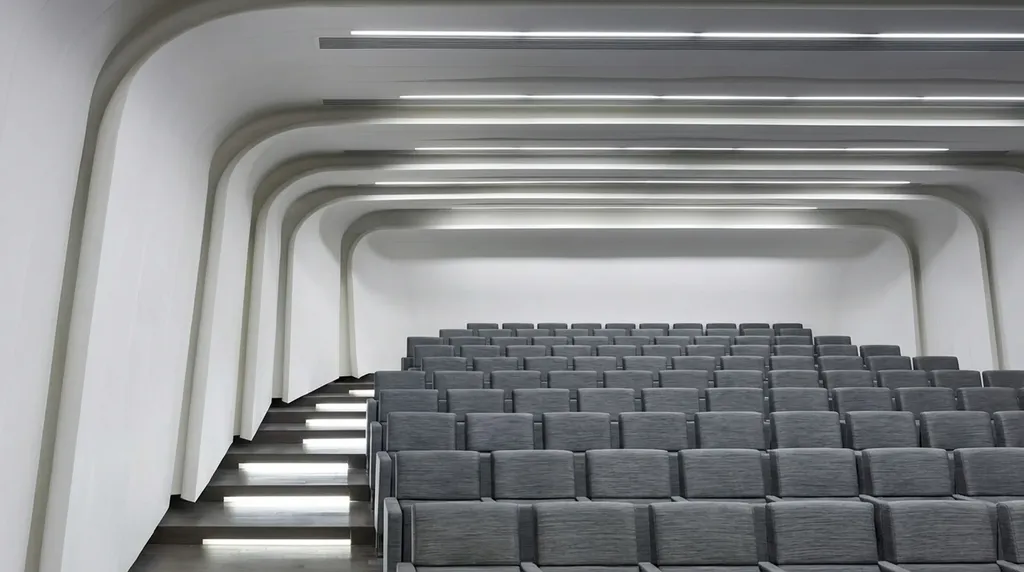
School and Classroom Lighting Standards in the UK: What to Specify and Why
The lux levels, glare limits and control requirements for classrooms, halls, labs and corridors in UK schools — from BS EN 12464-1, SLL Lighting Guide 5 and the DfE's output specification — and the fittings that meet them on a school budget.
Occupancy and Daylight Sensors: Getting Lighting Controls Right in Practice
Sensors are the cheapest energy saving in a building and the most complained-about. The difference between the two is almost never the sensor — it is the choice of type, the placement, and the settings nobody went back to adjust.
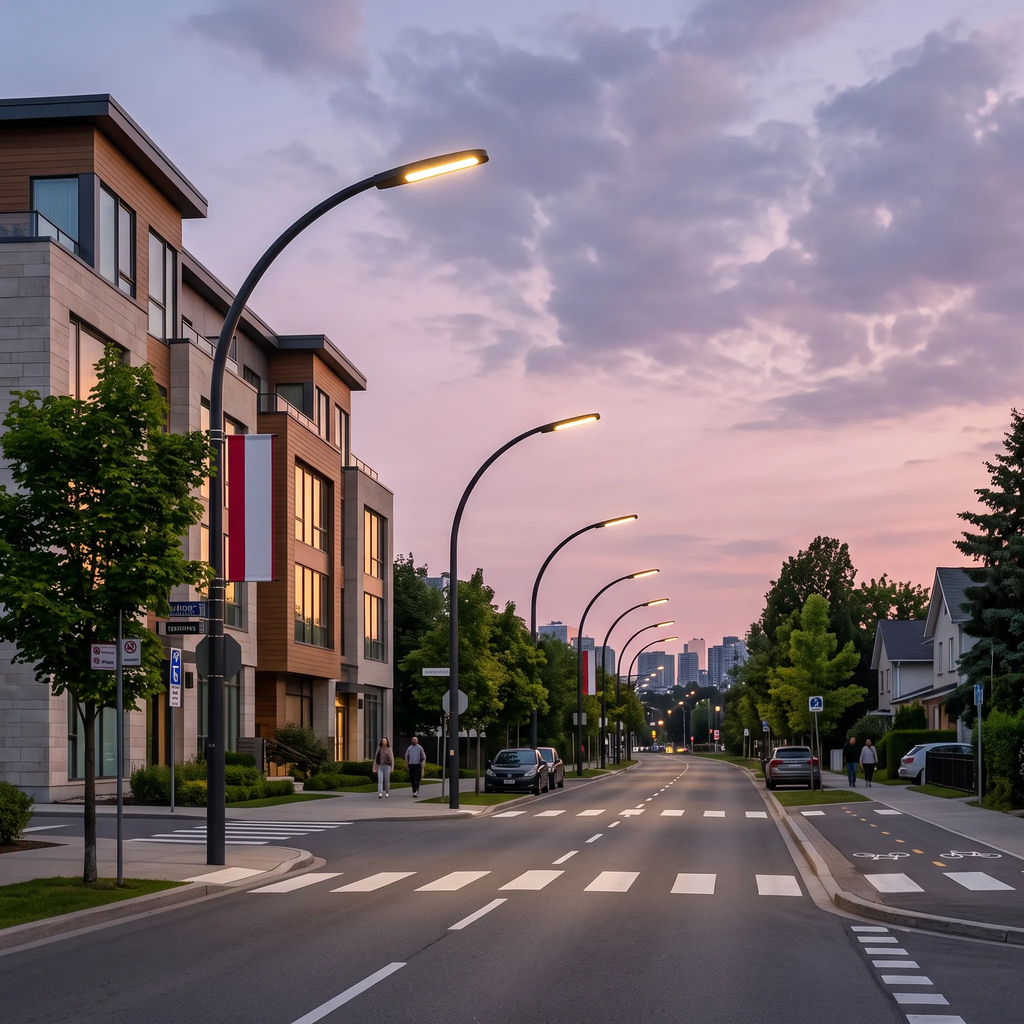
LED Street Lighting for Private Roads, Estates and Business Parks: A BS 5489 Specification Guide
How to specify LED street lighting for a housing development, private estate road or business park to BS 5489-1:2020 — lighting classes, column heights, colour temperature, dimming and the details a highway authority will look for at adoption.
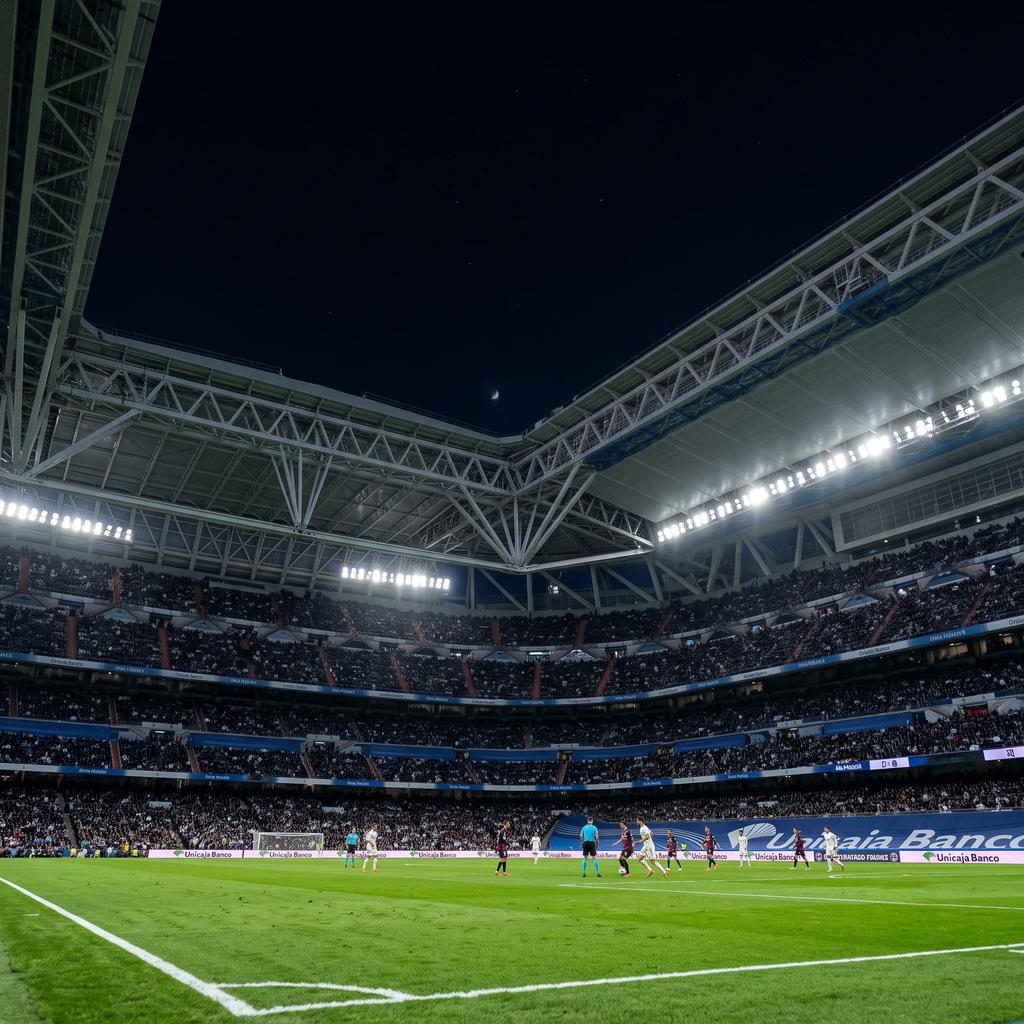
Sports Hall and Pitch Lighting: EN 12193 Classes, Lux Levels and Flood Light Selection
The lux levels, uniformity and glare limits BS EN 12193 sets for sports halls, football pitches, tennis and multi-use games areas, class by class — and how to choose LED floods and hall fittings that meet them.
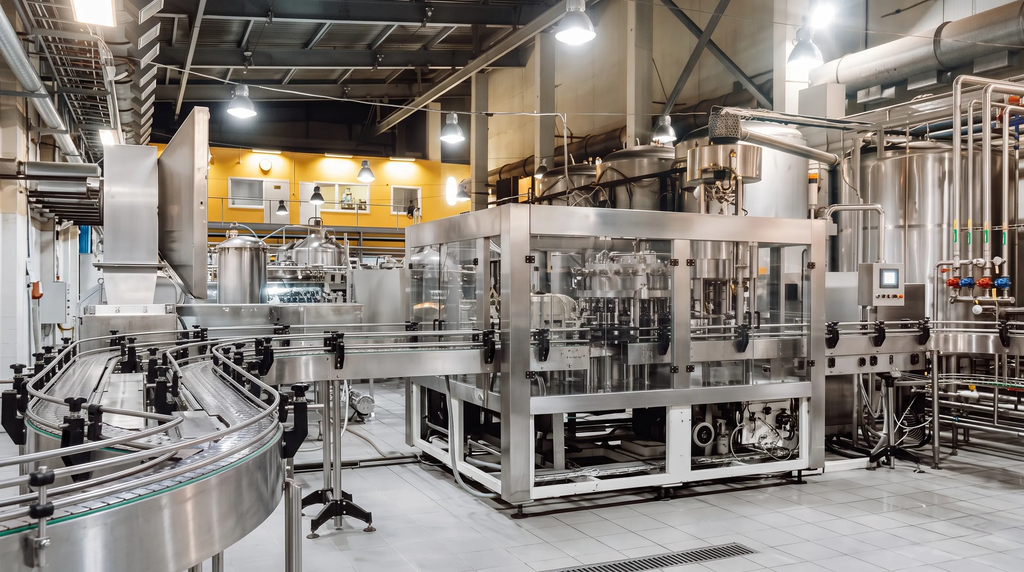
High Bay Lighting for Warehouses: Mounting Height, Beam Angle and Spacing
The same 150 W high bay can light a warehouse beautifully or badly depending on three decisions made before it is ordered. A practical walk through height, optics and layout.
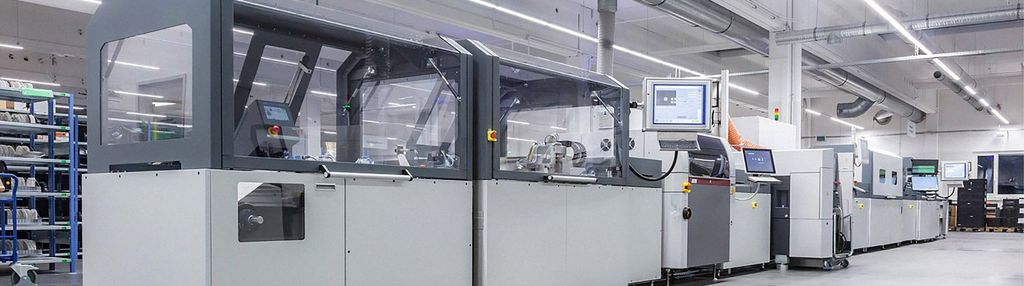
ATEX Zones Explained: Choosing Explosion-Proof LED Lighting for Hazardous Areas
Zone 0, 1 and 2; Zone 20, 21 and 22; Ex d, Ex e and Ex t; gas groups and temperature classes — what the markings on explosion-proof LED lighting mean and how to match a fitting to a hazardous area in the UK.
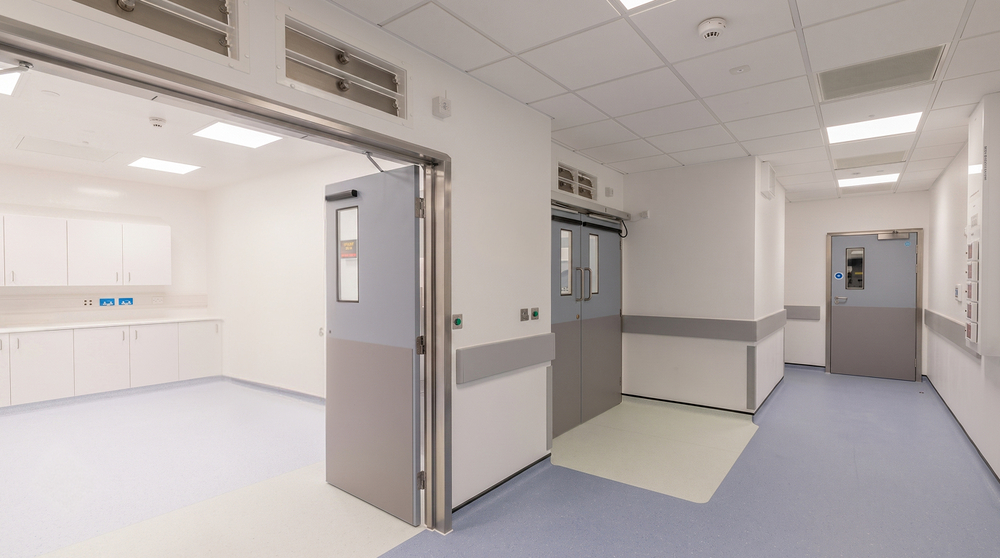
Emergency Lighting Explained: BS 5266, Maintained vs Non-Maintained, and Testing
Emergency lighting is a legal requirement in almost every non-domestic building in the UK, and one of the most commonly neglected. A plain-language guide to what is required, which fitting does what, and how often it has to be tested.
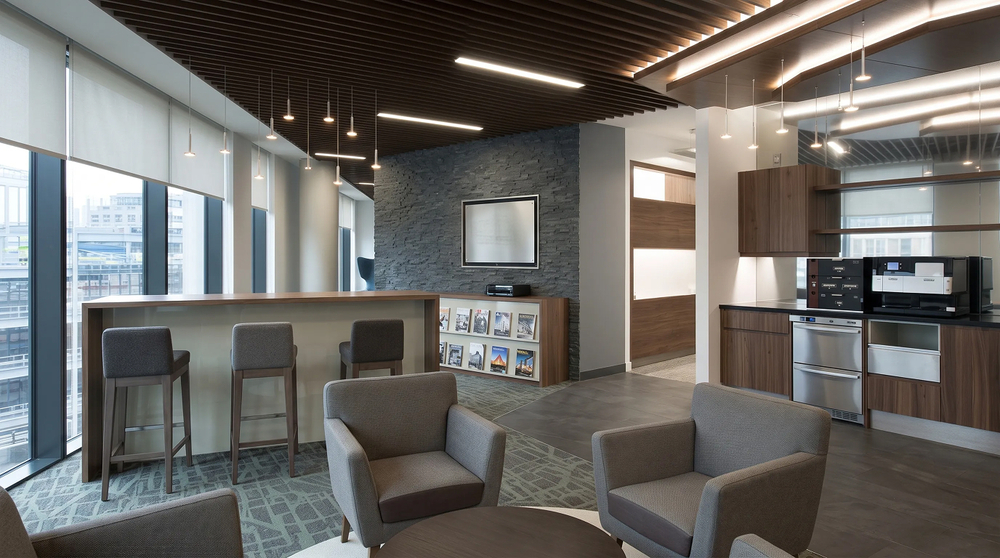
LED Panel Lights vs Linear Lighting for Offices: Which Should You Specify?
600 × 600 LED panels or linear luminaires? The two dominant choices for office lighting compared on glare, efficiency, ceilings, cost and flexibility, with a clear steer on when each is the right answer.
IK Ratings Explained: Impact Resistance for Sports Halls, Car Parks and Industrial Sites
IP ratings get all the attention, but for a fitting mounted where things get thrown, driven or swung, the IK code is the one that decides whether it survives the year.
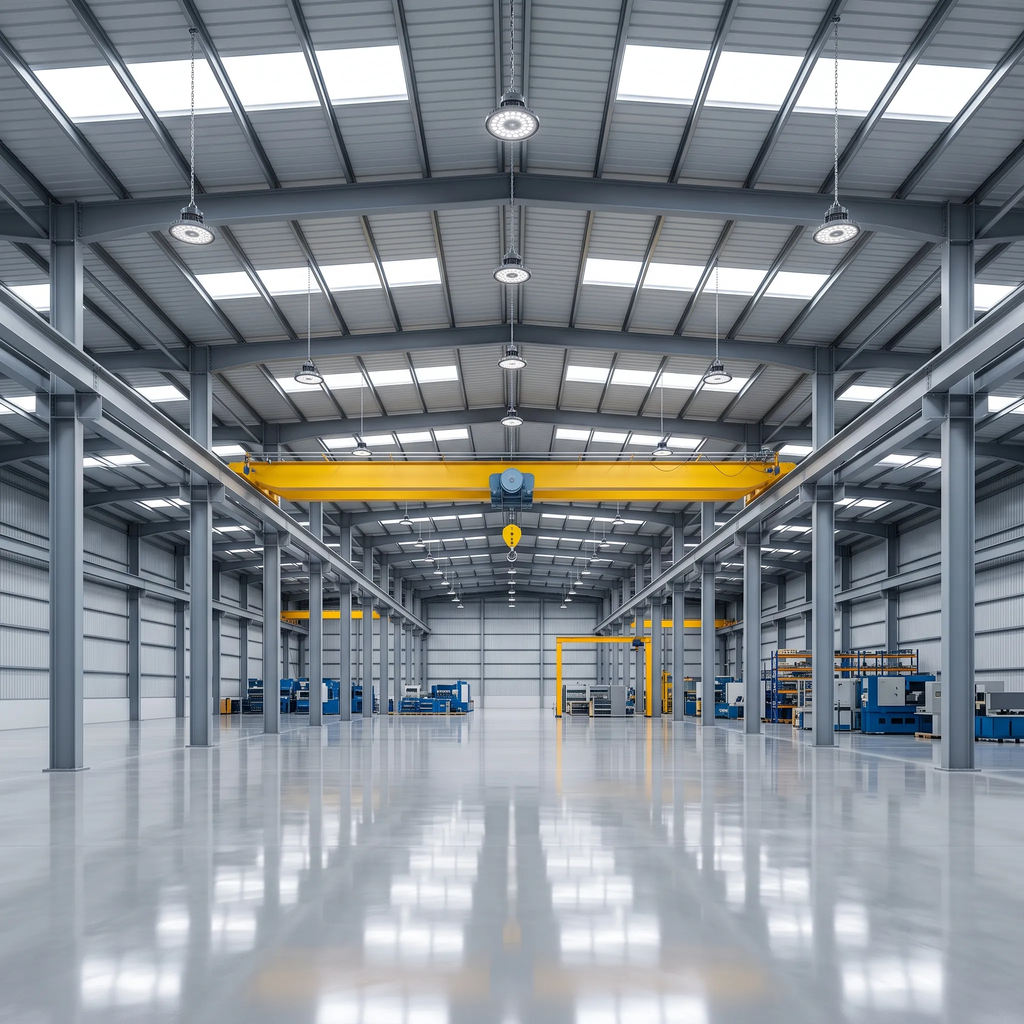
Warehouse Lighting Cost: What an LED High Bay Installation Actually Costs in 2026
Indicative UK costs for lighting a warehouse with LED high bays — per fitting, per square metre and per year to run — with a worked example for a 5,000 m² unit and the items that move the price most.