
Hospital and Healthcare Lighting: LG2, Colour Rendering and Where Anti-Bacterial LED Fits
What UK healthcare lighting has to achieve — the LG2 and BS EN 12464-1 lux levels for wards, corridors and treatment rooms, colour rendering for clinical assessment, infection-control fittings, emergency provision — and where anti-bacterial LED lighting genuinely helps.
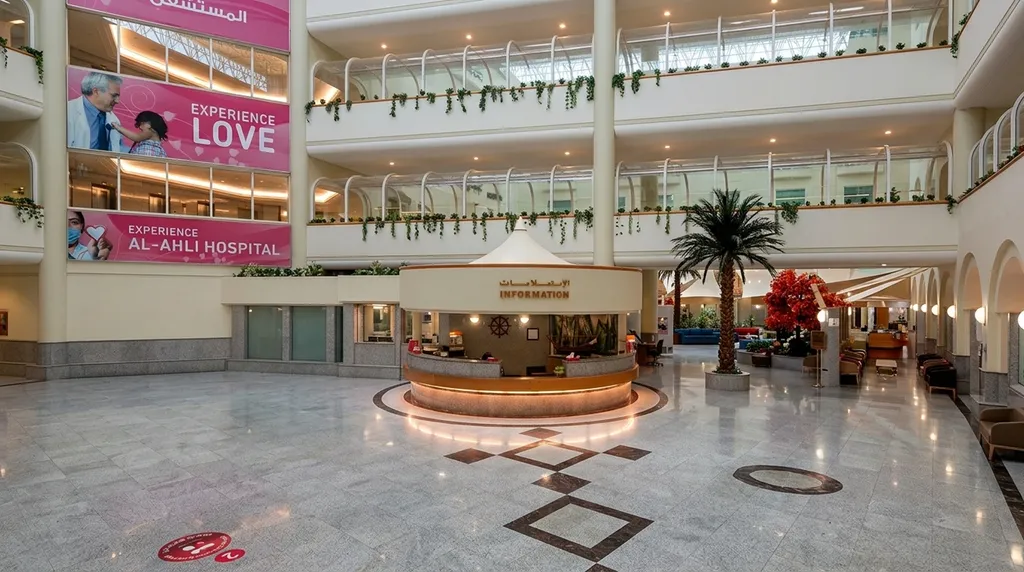
Lighting in a hospital, clinic, care home or GP surgery carries clinical weight. A nurse judging skin colour at 3 a.m., a patient trying to sleep under a corridor's spill, a cleaner wiping down a sealed fitting between patients, a theatre team who cannot have the lights fail — each is a lighting requirement with a standard behind it. In the UK those standards are the Society of Light and Lighting's Lighting Guide 2: Lighting for Healthcare Premises (LG2), the healthcare tables in BS EN 12464-1, and the Department of Health's Health Technical Memoranda, notably HTM 06-01 for electrical services and the resilience they demand. This guide summarises what they ask for and then looks at anti-bacterial LED lighting, which is increasingly specified and often misunderstood.
Lux levels and colour rendering by area
- Wards: 100 lux general lighting; 300 lux for reading and at the bedhead for simple examinations; 1,000 lux for examination and treatment; 5 lux for night lighting with 20 lux for observation, in a warm colour to protect sleep.
- Corridors: 200 lux by day (150 lux on a main "hospital street"), 50 lux at night, with careful uniformity so trolleys and beds can be moved safely; nurse stations 300 to 500 lux.
- Examination, treatment and minor procedure rooms: 1,000 lux general with Ra 90 or better, so that skin tone, cyanosis and jaundice can be read accurately.
- Operating theatres: 1,000 lux general lighting with Ra 90, plus the dedicated surgical luminaire in the cavity; recovery rooms 500 lux.
- Laboratories and pharmacies: 500 lux, with 1,000 lux at colour-critical benches.
- Reception, waiting and dining: 200 to 300 lux, warmer and more domestic in character, particularly in care homes and mental-health settings.
Colour rendering is the healthcare-specific point. LG2 asks for Ra 80 as a minimum throughout and Ra 90 wherever clinical judgement of colour is made; some specifications also cite the R9 value, which measures saturated red and matters for assessing skin and blood. This is a real differentiator between LED products, explained in our article on colour temperature and CRI — many low-cost 80-CRI LEDs render red poorly, and the datasheet should state R9 as well as Ra for clinical areas.
Infection control and cleaning
In clinical areas, fittings are part of the cleanable surface. Recessed luminaires should be sealed to IP54 or better from the room side, with smooth, flush diffusers that can be wiped with hospital disinfectants without crazing — which rules out some acrylics — and no ledges or louvres to hold dust. In theatres, isolation rooms and clean rooms the requirement rises to IP65 with a gasketed frame, and access for maintenance is from below without disturbing the ceiling seal. Our guide to IP ratings covers the codes; LG2, Health Building Note 26 for operating departments and the ventilation requirements of HTM 03-01 cover where each applies.
Resilience, emergency lighting and controls
HTM 06-01 grades clinical areas by the risk a power failure poses and sets out the standby supply each needs; the lighting in critical areas is fed from those supplies and must come back within defined times. Emergency lighting to BS 5266-1 then covers escape routes, with the added complication that a hospital cannot be evacuated in a power cut — so LG2 and the HTMs require standby lighting for continuing care, not just escape. Controls follow the same logic: absence detection and daylight dimming in offices and non-clinical space, but manual override everywhere clinical, dimmable warm night settings on wards, and nothing that can plunge a treatment room into darkness because a sensor timed out.
Anti-bacterial LED lighting: what it is and what it is not
Anti-bacterial — more precisely antimicrobial — LED lighting adds a component of violet-blue light at around 405 nanometres to ordinary white light. At that wavelength, light is absorbed by porphyrin molecules inside bacteria and some fungi, generating reactive oxygen species that damage the cell; research from the University of Strathclyde and subsequent hospital trials have shown continuous reductions in surface bacterial counts in occupied rooms, because unlike ultraviolet-C, 405 nm light at the irradiances used falls within the exempt or low-risk groups of BS EN 62471 and can be run while people are in the room. Regents LED's anti-bacterial lighting range uses this approach in panels and downlights for wards, treatment rooms, care homes, food preparation and washrooms.
The honest framing matters. It is a supplement to cleaning, not a replacement: it acts on surfaces the light reaches, over hours rather than minutes, and it does not sterilise. It is most valuable in spaces that are continuously occupied, where UV-C cannot be used and where surfaces are touched between cleans — bays, treatment rooms, waiting areas, staff kitchens. It should be specified with the same rigour as any other clinical product: ask for the independent test data, the wavelength and irradiance at working height, the effect on colour rendering (a slight lilac tint in some products is the trade-off) and the photobiological safety classification to BS EN 62471.
Healthcare lighting is judged by the nurse at 3 a.m. and the cleaner at 6: enough light to see a patient's colour, and a fitting that wipes clean.
For most healthcare estates the practical priority is the same as anywhere else — replacing ageing fluorescent with LED — but done to LG2 rather than like-for-like, so that colour rendering, sealing, night-lighting and resilience improve at the same time as the energy bill. Regents LED supplies the healthcare sector with IP-rated clinical panels and downlights, Ra 90 ranges, emergency variants and the anti-bacterial range, and will provide LG2-referenced lux and colour data, area by area, for a ward, clinic or care home refurbishment.