
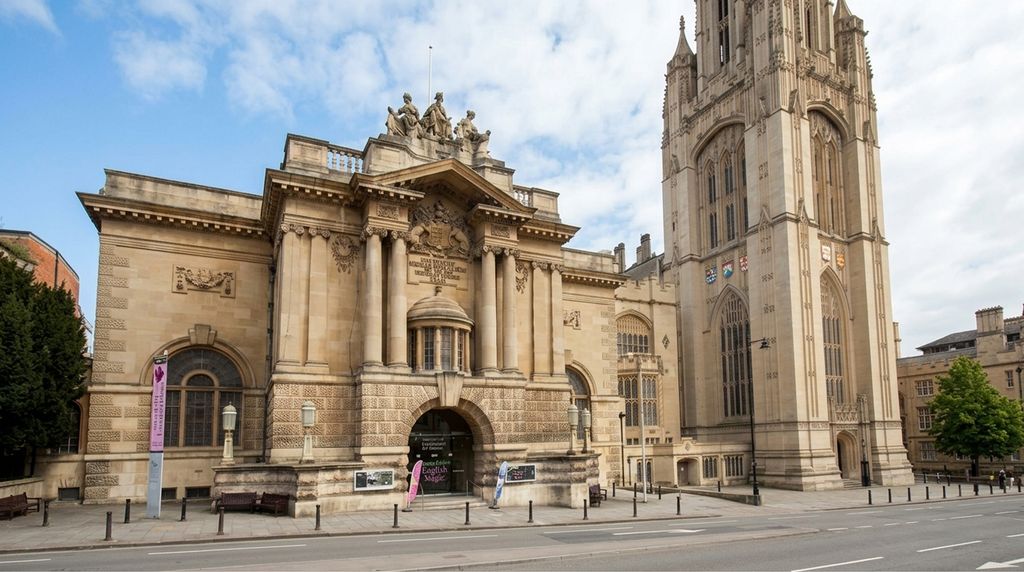
Bristol Museum & Art Gallery
United Kingdom
COMPLETED 2023
Museum lighting is the one discipline where the brief is partly to do less. Every object in these rooms has a conservation limit on how much light it can take and for how long, and at the same time a visitor has to be able to see a paperweight the size of a plum at the back of a case, and read the brushwork on a canvas two metres across. The scheme runs on two separate layers to manage that tension: a track layer in the room that can be aimed and dimmed, and a concealed layer inside the joinery that lights objects from within centimetres rather than from across the gallery.
Glass Gallery
Lighting Inside the Case, Not Across the Room
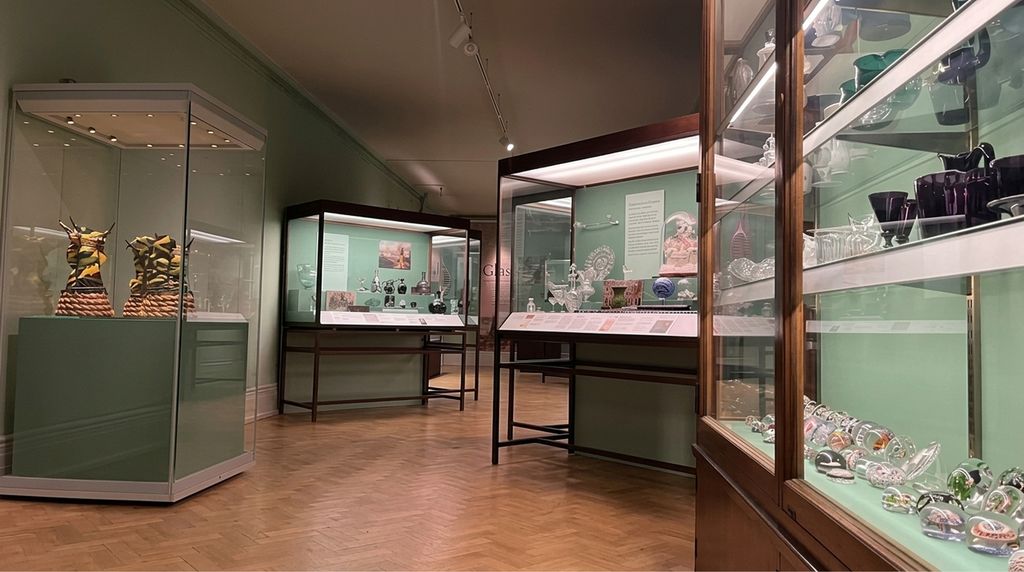
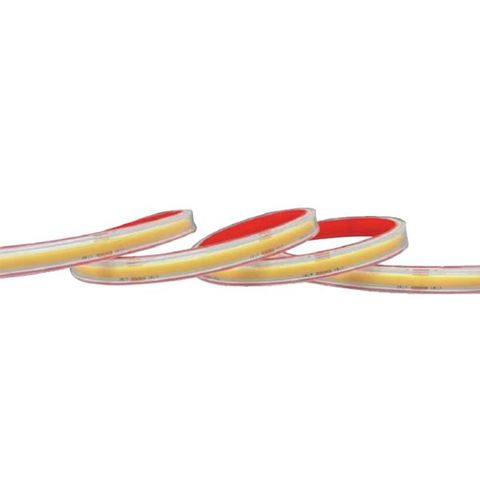
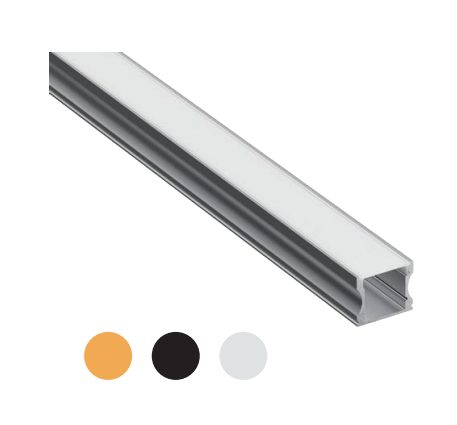
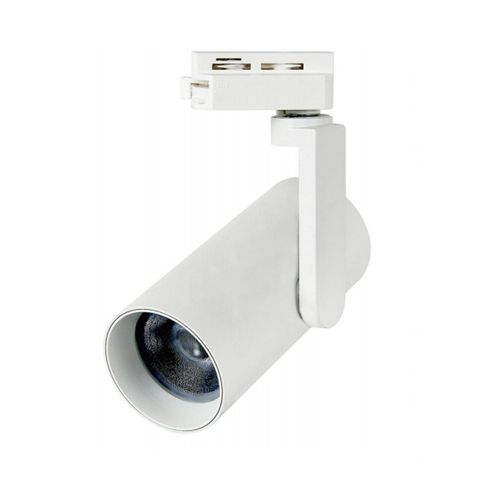
Glass is the hardest material in a museum to light, because it has no surface of its own to catch light — what a visitor sees is refraction and edge, and both of those need a source close by and slightly off-axis. Almost everything here is therefore inside the joinery. RL-CL6565 is the row of mini recessed spots in the canopy of the tall freestanding case: Ø44 and only 13mm deep, which is what lets it sit in a case head with no depth to spare, at 2W on a 24° or 38° beam so each object gets its own small pool rather than the case being flooded. RL-ST1238 does the continuous work, 24V at 10 × 4.5mm and CRI above 90 — run in RL/AL02 as the light trough along the front of each case head, and in RL/AL03 at the leading edge of every shelf in the wall cases, where it grazes the objects from in front and keeps the lower shelves from disappearing. RL-TR1417 on the ceiling track covers circulation and the interpretation panels. The whole layer dims on DALI, which is the practical answer to a conservation lux limit — not a lower-output fitting, but the same fitting held down and logged.
Fine Art Gallery
A Flat Wall and Nothing to Hide Behind
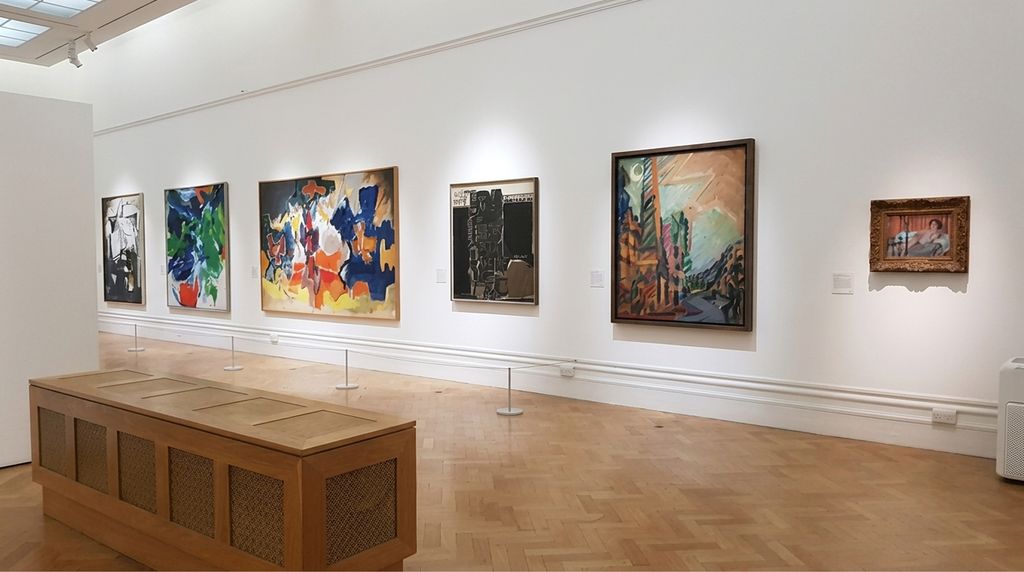
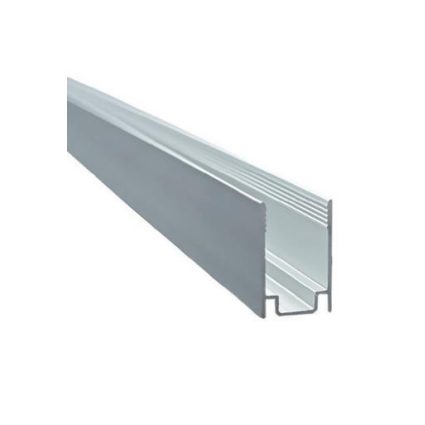
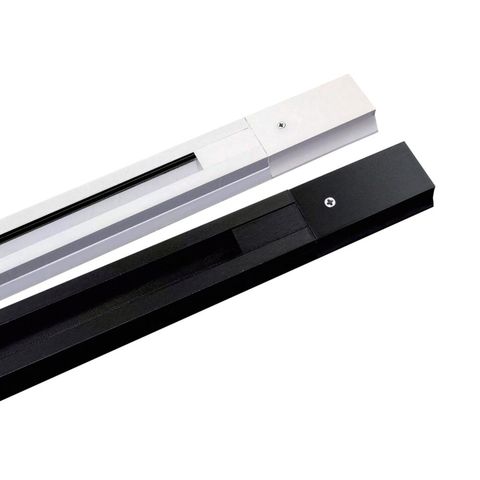
A painting hang is a moving target — works come and go, sizes change, and a fixed downlight grid commits a gallery to whatever was on the wall the day it was designed. RL-TR1417 on RL-NWTRK is the answer to that, and the reason to spend on the head rather than the cheapest spot on the run is CRI above 90 and a choice of 15°, 24° or 36° beams: a small oil and a two-metre canvas need different cones, and the difference between a 15° and a 36° on the same wall is whether the frame edge falls into shadow or the light spills onto the adjacent work. The white finish is deliberate — against a white ceiling a black head reads as a row of objects, which is exactly what a gallery does not want competing with the hang. RL-PNL2763 forms the luminous ceiling plane at 1195 × 595, providing the soft general fill that keeps the room from reading as a series of bright pictures in a dark box. RL-ST1238 is concealed behind the frames, lifting each work off the wall — the same high-CRI 24V strip used inside the cases in the glass gallery, which keeps one product and one driver type across two very different applications.
Project specification
Every product in this project
All products →

Planning lighting for a museum, gallery or display scheme?
This project sits alongside Regents LED's wider portfolio of cultural, hospitality and architectural lighting across the UK, Europe and the Gulf.
Enquire about your project