
Why LEDs?
The light-emitting diode is the most advanced and efficient light source available: it outlasts other forms of lighting, is more resilient, and gives light of equal or better quality. Here is why.
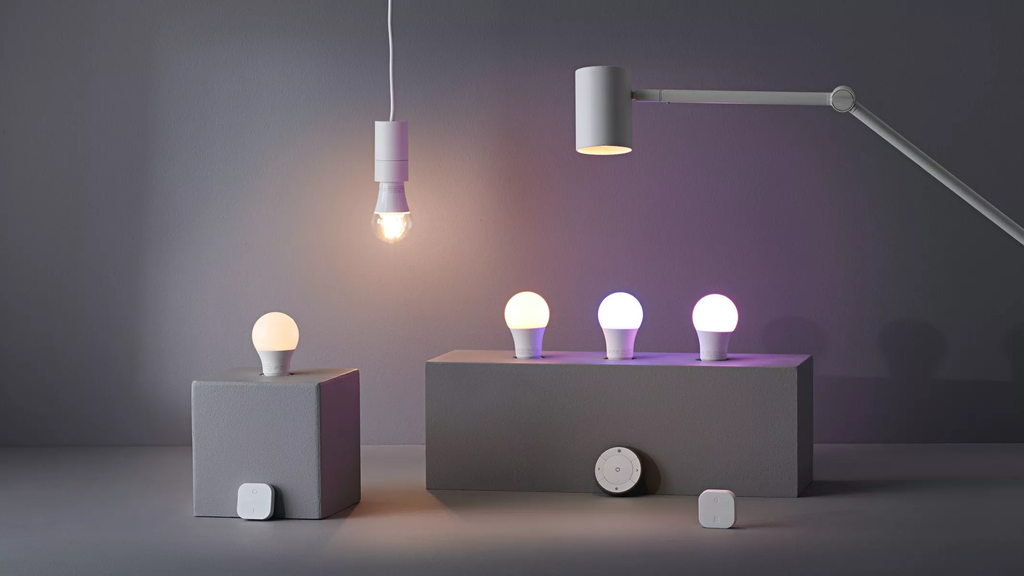
The light-emitting diode (LED) is the most advanced and efficient source of illumination currently available. Quality LED light bulbs outlast other forms of lighting, are more resilient, and provide light of equal or higher quality.
Differences between LEDs and other lighting options
LED lighting is distinct from conventional bulbs such as incandescent and compact fluorescent lamps. The differences include:
- LEDs are small light sources that can produce light across a wide spectrum of colours. White light is sometimes created by combining the output of red, green and blue LEDs.
- LEDs are directional, so they don't need light-trapping accessories such as reflectors and diffusers. That makes them more cost-effective in many settings, including recessed downlights and task lighting. The light from most other sources has to be reflected to be directed, and even then a large part of it may never leave the fixture.
- LEDs produce very little heat. Compact fluorescent lamps give off roughly 80% of their energy as heat, and incandescent lamps 90%.
- LED lights last substantially longer than traditional bulbs. A high-quality LED bulb has a lifetime three to five times that of a CFL and thirty times that of an incandescent.
LED products
LED lighting is found in a broad and growing range of consumer and commercial products. The fast development of LED technology has brought prices down, widened the choice of products and made manufacturing more efficient. These are some of the most popular types of LED product.
Lighting for industrial and commercial use
LEDs are ideally suited to a wide variety of industrial applications because of their high efficiency and directional nature. They are becoming more widespread in refrigerated case lighting, modular lighting, task lighting and outdoor area lighting, and are used in street lights and car park lighting.
Under-cabinet lighting
Because of their compact size and directional light, LEDs are well suited to lighting confined areas such as worktops, where tasks like cooking and reading recipes take place. It is worth comparing several products to find the fitting best suited to the space, since the colour and the directionality of the light vary.
Recessed downlights
Downlights recessed into the ceiling are a popular choice for lighting kitchens, hallways and bathrooms at home, as well as a variety of workplace and commercial spaces.
LED replacements for incandescent and compact fluorescent lamps
As their efficiency rises and their cost falls, 40, 60, 75 and even 100 watt incandescent bulbs are being made obsolete by LED lighting. Before buying, check the product's lighting facts label to make sure the brightness and colour temperature suit the intended setting.
Finally, if you want to save energy and cut your monthly electricity bill, switching to LED lights is a very sensible option — thanks to advances in the technology, they last a very long time.