
Practical LED Light Maintenance Tips for Longer Lifespan
Standard and scientific maintenance can effectively delay fixture aging, stabilize lighting performance, avoid circuit safety risks, and greatly reduce maintenance and replacement costs.
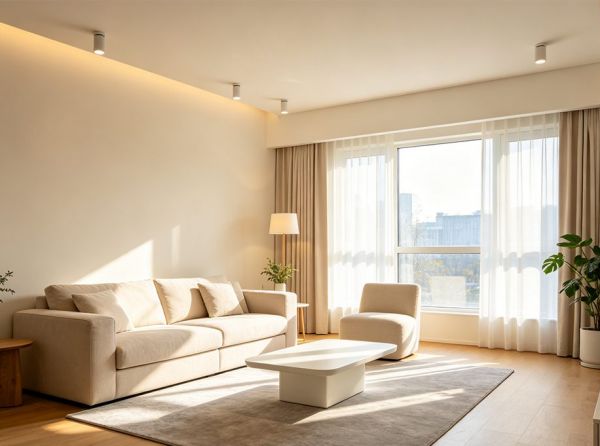
LED lights are widely used in residential, commercial, industrial and outdoor lighting scenarios due to their energy-saving, durable, high-brightness and eco-friendly features. Qualified LED fixtures have a theoretical lifespan of up to 50,000 hours and can work stably for years under normal conditions. However, most LED lights suffer from premature brightness attenuation, flickering, abnormal heat generation and shell aging. These problems are rarely caused by product quality defects but by improper daily use and careless maintenance.
In terms of daily usage habits, frequent switching should be avoided first. An instantaneous high voltage is generated when LED lights are turned on. Repeated power impact will damage LED beads and driving power units, accelerate the aging of electronic components and shorten the service life significantly. There is no need to turn off the lights for short-time leaving, which can effectively reduce component loss. In addition, stable voltage and safe power load are essential. Severe voltage fluctuation may break down driving chips and burn out lamp beads, resulting in flickering or light failure. Do not connect multiple high-power LED lights to the same circuit or socket. Surge protectors and voltage stabilizers are recommended for areas with unstable power supply. Furthermore, never disassemble or modify LED fixtures privately. Unprofessional structural changes will damage sealing performance and circuit matching, easily causing short circuits and electric leakage. All faults should be handled by professional maintenance personnel.
Scientific cleaning maintains stable brightness and overall performance. Always turn off the power and wait for the fixture to cool down completely before cleaning. Never clean powered lights to avoid electric shock and temperature difference damage. For indoor ceiling lights, downlights and spotlights in dry environments, use soft dry cloths or brushes to remove floating dust and avoid hard scratches that reduce light transmittance. For fixtures in humid and oily areas such as kitchens and bathrooms, wipe stubborn stains with a wrung damp cloth and neutral detergent, and dry residual moisture thoroughly to prevent internal water penetration. Never flush LED lights directly with water, as long-term water contact will damage waterproof strips and cause damp short circuits. Corrosive cleaners including alcohol, disinfectants, strong acid and alkali solutions are forbidden, for they will lead to lampshade yellowing, atomization and cracking, and destroy internal insulation and sealing structures.
Reasonable environmental protection greatly reduces LED light loss. High temperature is the primary cause of LED bead aging. Keep fixtures away from stoves, heaters, air outlets and other heat sources, reserve enough heat dissipation space and do not block heat dissipation holes. Clean dust on heat sinks of outdoor and high-power industrial LED lights regularly to ensure efficient heat dissipation. Humidity protection is also necessary. Regularly inspect sealing strips, waterproof connectors and lampshade joints, and replace aging accessories in time to prevent water seepage. Non-waterproof lights cannot be used in humid environments, and outdoor lighting requires fixtures with IP65 or higher waterproof rating. Check outdoor lights thoroughly after rainy seasons to eliminate hidden damp risks. For outdoor street lights and landscape lights, regularly check shell condition, paint surface, screws and circuits, fasten loose parts and repair rusty areas. Remove snow and frost in winter to prevent lampshade damage and poor heat dissipation.
Regular inspection helps eliminate potential faults in advance. It is recommended to inspect and clean household LED lights every 3 to 6 months, and check commercial, industrial and outdoor fixtures every 1 to 2 months. Daily inspection focuses on abnormal flickering, unstable brightness, sudden light decay, strange noise and overheating. Check loose or oxidized circuit connectors, aging or damaged lampshades, and intact waterproof and heat dissipation structures. Power off faulty lights immediately and arrange professional maintenance to avoid safety accidents and secondary damage.
In conclusion, the long-term stable operation of LED lights depends on standardized daily maintenance. Standard usage habits, regular cleaning, effective environmental protection and routine fault inspection can maximize the energy-saving, safe and long-lasting advantages of LED lighting. Proper maintenance ensures stable and high-quality lighting effects while lowering overall operating costs, meeting the long-term lighting demands of all application scenarios.