
DALI-2 vs 0–10V: Lighting Controls Explained
A genuinely different kind of system, and one worth understanding before it shows up as a line item on a quote.
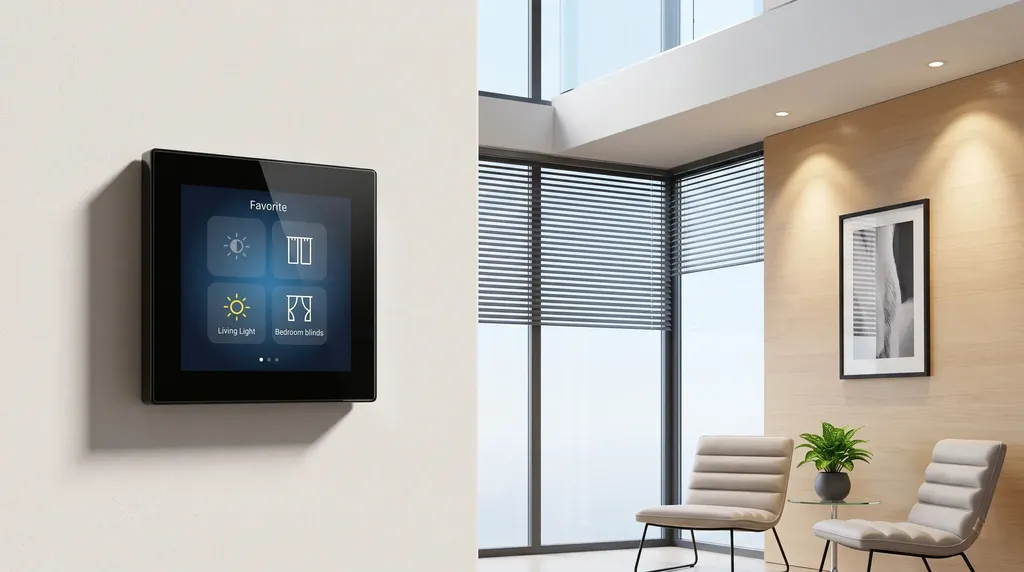
For most of lighting's history, “control” meant a switch: on, or off. Dimming came later, and for a long time it meant one thing — a 0–10V control wire telling a driver to reduce output somewhere between fully on and fully off. That's still a perfectly valid, low-cost approach for straightforward applications. But it's increasingly being layered with, or replaced by, DALI and its current version, DALI-2.
0–10V — simple, proven, and one-way
A 0–10V system sends a low-voltage analogue signal down a control wire; the driver reads the voltage and sets its output proportionally. It's inexpensive, well understood, and adequate for applications where fixtures in a zone just need to dim together — a corridor, an open office zone, a warehouse aisle on a simple daylight-linked control. Its limitation is that it's a one-way, group-level signal: every fixture on that wire responds the same way, there's no way to address one luminaire individually without extra wiring, and the system has no way of reporting back whether a fixture is actually working, faulted, or drawing more current than it should.
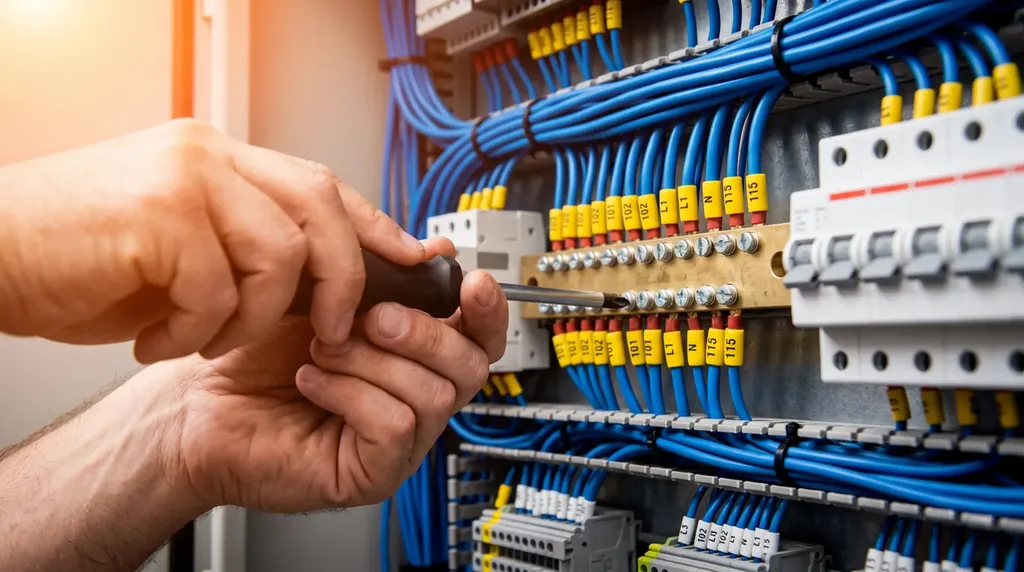
DALI-2 — individually addressable, and it talks back
DALI (Digital Addressable Lighting Interface), now standardised as DALI-2 under IEC 62386, is a digital protocol rather than an analogue signal. Every driver on a DALI-2 line has its own address, so individual fixtures — not just zones — can be controlled, grouped, and reprogrammed independently, all over the same two-wire bus, without rewiring when a layout changes. Just as significantly, it's a two-way protocol: fixtures can report status back to the system, including operating hours, faults, and energy data, which turns a lighting installation into something closer to a monitored asset than a set of switches.
What this actually changes for a facilities team
- Maintenance shifts from reactive to informed. Instead of discovering a failed fixture on a walk-through, a DALI-2 system can flag it — and across a large industrial or retail estate, that difference compounds fast.
- Layout changes don't mean rewiring. Because addressing and grouping are handled in software, re-zoning an office floor or a retail layout is a reconfiguration task, not a re-cabling job.
- Commissioning data becomes an asset, not paperwork. Energy and operating-hours data collected automatically supports both ongoing energy reporting and warranty or maintenance decisions later.
- It costs more upfront. Digital addressability and two-way communication add cost to the driver and, usually, the commissioning process, compared with a 0–10V system — a genuine trade-off, not a straightforward upgrade.
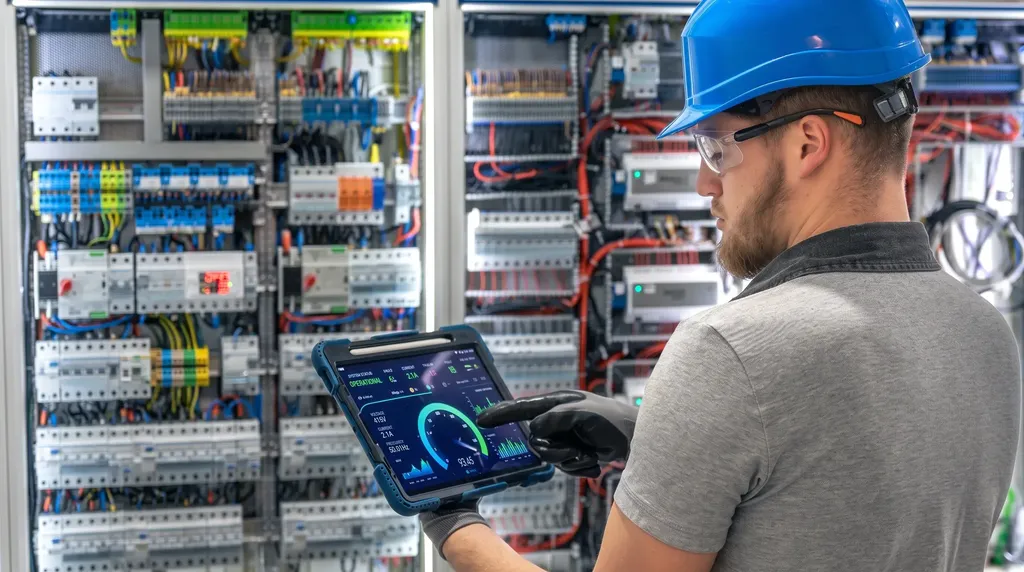
So which one is right?
Neither is universally correct. A straightforward space with simple, group-level dimming needs — corridors, back-of-house storage, some retail floors — is often well served by 0–10V, and paying for individual addressability there adds cost without adding much real capability. A large, complex, or frequently reconfigured estate — a distribution centre with shifting zoning needs, a multi-tenant commercial building, a facility where energy reporting and predictive maintenance genuinely matter — is usually where DALI-2's extra cost earns its keep. The right question isn't “which is more advanced,” it's “does this space actually need addressability and feedback, or does it need dimming.”
The right control system isn't the more advanced one — it's the one that matches how the space actually needs to be managed.
As lighting increasingly sits alongside building management systems, energy monitoring, and smart-building initiatives, this distinction is only becoming more relevant. Knowing which category a proposed system falls into — and why — is a five-minute conversation that's worth having before a control system is specified, not after.