
6 Facts about LED Lighting
LED lighting is one of the most significant innovations of our age, and you have almost certainly got some at home, on your street and in the shops you use — but how much do you know about it?
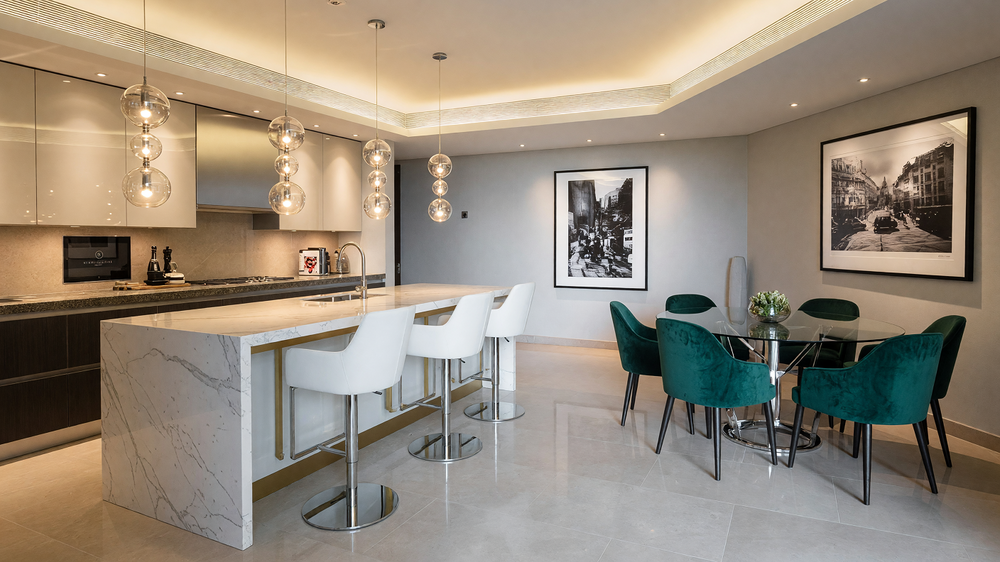
Today we are going to talk about one of the most significant innovations of our age in the lighting industry: light-emitting diode (LED) lighting, which has become very popular in recent years. There is a good chance you have seen plenty of it in your own house, on the street, in shops, in the garage and in most other places — but do you believe you know enough about it?
Here are six facts about LED lighting that we think you may not know.
1. What an LED is
A light-emitting diode, or LED, is a kind of solid-state lighting that uses a semiconductor to turn electric current into light. Today's LED bulbs can be six to seven times more energy efficient than traditional incandescent lights, and can reduce energy consumption by more than 80 percent.
2. How long they last
High-quality LED bulbs can have a useful life of more than 25,000 hours, which means they can last more than 25 times longer than conventional bulbs. Run seven days a week, 24 hours a day, one would still last more than three years.
3. How little heat they waste
Compared with incandescent lights, which squander 90 percent of their energy as heat, LEDs use energy far more efficiently, with very little lost as heat.
4. Where they are used
LEDs are used in a wide variety of applications because of their unique characteristics: compact size, ease of maintenance, resistance to breakage, and the ability to focus the light in a single direction rather than scattering it. Traffic lights, vehicle brake lights, televisions and display cases are just a few examples.
5. What they don't contain
LEDs do not contain mercury, and research by energy departments around the world has found that they have a far lower effect on the environment than incandescent bulbs. They also hold an advantage over compact fluorescent lights (CFLs), and that advantage is expected to grow over the next several years as LED technology continues to develop.
6. Where they came from
In 1962, while working for GE, Nick Holonyak Jr. developed the first LED that emitted visible light. Since then both the technology and the costs have advanced at a breakneck pace, making LEDs a competitive option for lighting. In the two years between 2011 and 2012, global sales of LED replacement bulbs rose by 22 percent, while the price of a 60-watt-equivalent LED bulb fell by nearly 40 percent. By 2030, LEDs are expected to account for 75 percent of all lighting sales.